What Services Can Brands Get from a Beauty Display Manufacturer?
In today's competitive beauty market, the way products are displayed can have a significant impact on brand perception and customer purchasing behavior. A thoughtfully designed retail fixture does more than keep merchandise organized. It draws attention to product details, invites customers to interact with items, and helps create a recognizable shopping environment across different stores.
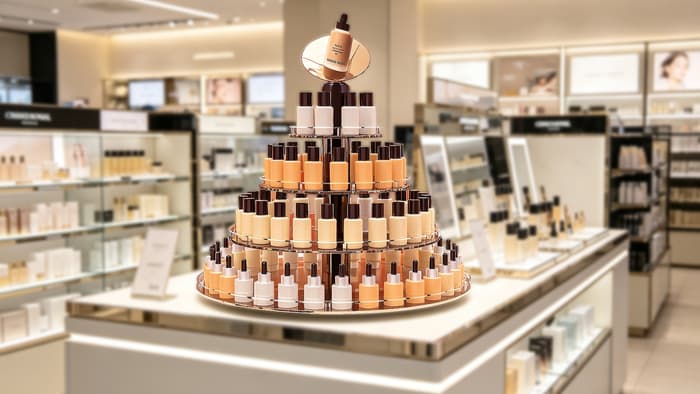
For beauty businesses, selecting an appropriate manufacturing partner is an important part of retail planning. Beyond appealing visual designs, brands should look for manufacturing consistency, knowledge of suitable materials, flexible customization, dependable quality management, and solutions for various retail settings.
Partnering with an experienced beauty display manufacturer like WeituDisplay can help transform creative display ideas into functional fixtures that meet real retail requirements.
1. Custom Designs That Match Your Brand Image
Every beauty company has its own branding style, customer demographics, and market positioning. A display for a premium skincare line, for example, may look very different from one intended for an affordable cosmetics collection.
A capable manufacturer should provide customization across several areas, including:
Display sizes, shapes, and structural configurations.
Materials such as acrylic, metal, wood, and plastic.
Brand-specific colors, logos, and printed graphics.
Product holders, storage sections, and tester placements.
Lighting options, surface treatments, and decorative features.
For instance, a custom lipstick display can incorporate separate lipstick holders, shade identification labels, and dedicated testing sections. Such features make color selection easier while keeping retail counters tidy.
Other cosmetics categories also benefit from product-specific designs. A blush display can arrange multiple shades in an easy-to-compare format, while a palette display can organize eyeshadow collections for convenient browsing.
The objective is to develop fixtures that improve merchandise presentation without losing the visual characteristics that distinguish your brand.
2. Knowledge of Multiple Beauty Product Categories
Beauty merchandise comes in numerous packaging styles, dimensions, and product formats. Manufacturers need to understand these differences to develop fixtures that properly accommodate each category.
Depending on their product collections, brands may require displays for:
Makeup brushes and beauty accessories.
Skincare ranges and specialized treatment products.
Perfumes, fragrances, and sampling bottles.
Nail polish and nail care collections.
Seasonal cosmetics and sun protection products.
For example, a brush tester display should provide convenient access to demonstration brushes while keeping the surrounding display area organized.
A regimen display can arrange skincare items according to their recommended usage sequence, making it easier for shoppers to understand how different products work together.
For perfume collections, a perfume tester stand can accommodate fragrance samples alongside relevant product information. Meanwhile, a nail tip display can present different nail colors and finishes in a more accessible arrangement.
When brands need to promote seasonal merchandise, a seasonal display can give sun protection products and other seasonal collections greater exposure.
Working with a manufacturer familiar with different beauty categories makes it easier to maintain a consistent presentation style throughout an entire product assortment.
3. Design Expertise Combined with Everyday Practicality
Visual appeal is only one part of an effective retail fixture. Displays must also fit the available store space and make everyday shopping activities more convenient.
Brands should expect their manufacturing partners to address several functional requirements.
Product visibility: Merchandise should remain clearly visible, allowing customers to identify important products without visual distractions.
Customer accessibility: Shelves, product holders, and testing areas should be positioned where shoppers can comfortably reach them.
Space utilization: The overall structure should accommodate merchandise efficiently without making the surrounding retail area feel crowded.
Storage capacity: Fixtures should provide adequate product space and, where appropriate, room for additional inventory.
Easy maintenance: Materials and construction should allow store employees to clean and maintain displays without unnecessary difficulty.
Retailers with larger product selections may benefit from a gondola display, which provides flexible shelving and organized merchandising space.
A cosmetic organizer can also help arrange smaller beauty products, testing items, and promotional merchandise more neatly.
Professional retail display design should bring together attractive presentation, convenient product access, and the practical demands of the store environment.
4. Dependable Manufacturing and Production Resources
An initial display concept eventually needs to be developed into a finished product that meets the brand's expectations. This makes a manufacturer's production capabilities an essential consideration.
Before entering into a partnership, brands should understand the supplier's manufacturing procedures and determine whether it can accommodate their project specifications.
A manufacturer operating an in-house factory may be able to coordinate design development, material sourcing, sample preparation, and production more efficiently.
Important capabilities to investigate include:
Available manufacturing equipment and production techniques.
Familiarity with different display materials and structures.
Prototype development and sample confirmation procedures.
Available production capacity and estimated completion times.
Experience with customized projects and repeat manufacturing orders.
These factors become especially important when a beauty company is preparing a product launch or planning to introduce displays across additional retail locations.
Direct cooperation with the manufacturer can also simplify discussions and modifications when design adjustments are required during production.
5. Thorough Quality Management and Product Inspection
The quality of a retail fixture influences its appearance, usability, and performance over time. Uneven surfaces, unstable construction, incorrect colors, and damaged components can all reduce the overall quality of the shopping environment.
Brands should look for manufacturers with established quality inspection procedures rather than suppliers that only examine products briefly before shipment.
Key quality checks should cover:
Material verification: Ensure that the selected materials correspond with the approved specifications.
Measurement checks: Confirm that individual components meet the agreed dimensions.
Structural evaluation: Examine product stability, construction strength, and weight-bearing capabilities.
Surface examination: Identify scratches, inconsistent finishes, and other visible imperfections.
Final product assessment: Inspect the completed fixture before it is packed and dispatched.
A systematic display quality inspection procedure can help minimize differences between production batches and reduce the possibility of problems after delivery.
Brands should also confirm the manufacturer's packaging methods, transportation protection, and logistics arrangements before committing to substantial orders.
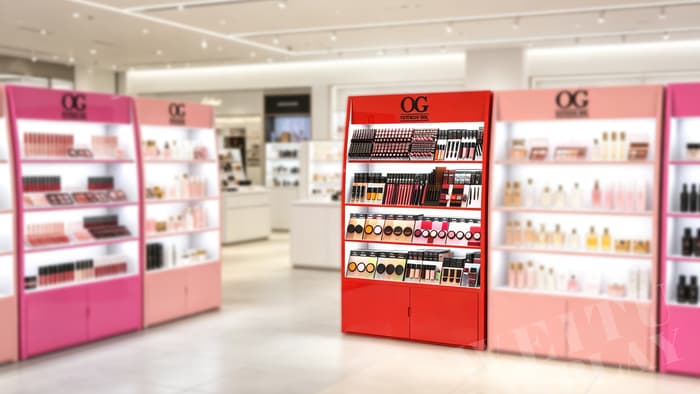
6. Branding Services That Improve Store Recognition
Retail fixtures are not simply functional furniture. They also provide an opportunity to communicate a brand's identity through logos, promotional messages, product graphics, and visual elements.
A professional manufacturer should know how to incorporate these branding features while preserving the display's practical functions.
Available customization options may include:
Printed or engraved company logos.
Brand-specific color reproduction.
Promotional graphics and printed panels.
Product description cards and information signs.
Specially shaped display structures.
Illuminated logos and decorative lighting.
A branded retail display can create a more recognizable brand presence across different stores and shopping environments.
For companies introducing new product collections, customized promotional graphics can also draw attention to featured merchandise and marketing campaigns.
Ideally, branding elements should be considered during the initial design stage instead of being added after the display structure has already been finalized.
7. Display Solutions for Various Retail Settings
Beauty retailers operate in different commercial environments, and their display requirements can vary considerably. A small cosmetics boutique, supermarket, department store, and nationwide beauty chain will rarely need identical fixture arrangements.
Brands should therefore consider manufacturers capable of adapting their products to different store layouts and merchandising objectives.
Beauty Brand Owners
Both emerging and established beauty labels often need retail fixtures that communicate their positioning and distinguish their products from competitors.
A customized beauty brand display fixture can help present new collections, support promotional activities, and maintain a recognizable appearance throughout retail campaigns.
Chain Stores
Retail chains generally require displays that can be reproduced consistently across numerous locations. Matching dimensions, color specifications, materials, and assembly procedures are particularly important.
A carefully developed chain store display solution can maintain a unified merchandising style while allowing adjustments for different store configurations.
Supermarkets
Supermarkets usually prioritize efficient space utilization, convenient product access, and straightforward merchandise replenishment.
A practical supermarket cosmetics display can arrange different beauty product categories while making merchandise more noticeable in busy shopping areas.
A manufacturer should understand the differences between these retail environments and recommend appropriate fixture designs instead of relying on one standard solution for every project.
8. Effective Communication, Project Coordination, and After-Sales Assistance
Even a carefully planned display project can become difficult when communication and coordination are inadequate.
Brands should expect their manufacturing partners to provide clear updates and useful information throughout the entire process, from the first consultation to the arrival of finished products.
A well-organized cooperation process should cover:
Understanding the brand's objectives, specifications, and available budget.
Reviewing proposed designs and discussing material alternatives.
Preparing technical drawings or physical samples for approval.
Sharing updates during the manufacturing stage.
Coordinating product inspections and protective packaging.
Managing shipping arrangements and delivery schedules.
Providing assistance when post-delivery concerns arise.
Clear communication is particularly important for international brands purchasing from manufacturers in other countries.
Before confirming an order, make sure both parties understand production lead times, sample development expenses, minimum purchasing quantities, freight arrangements, and procedures for resolving product defects.
Agreeing on these details in advance can prevent unnecessary disputes and create a more reliable foundation for long-term business cooperation.
Why Work with WeituDisplay for Beauty Display Projects?
Selecting a suitable beauty display manufacturer involves more than comparing quotations and product photographs. Brands need a partner that understands merchandising requirements, product characteristics, production standards, and the importance of maintaining consistent quality.
WeituDisplay offers customized retail display solutions for beauty and cosmetics businesses. Its services cover display development, custom manufacturing, branded fixture solutions, quality inspections, and applications for different retail environments.
Whether your project involves lipstick holders, skincare fixtures, fragrance displays, modular shelving, or customized point-of-sale units, working with a specialized manufacturer can help bring the different stages of development together.
For cosmetics companies, independent beauty retailers, and chain stores preparing new merchandising projects, WeituDisplay provides an opportunity to explore customized display concepts and discuss solutions based on individual business requirements.
A dependable beauty display manufacturer should provide much more than visually appealing fixtures. Brands should look for functional design expertise, adaptable customization, reliable production resources, consistent quality standards, and professional project communication.
Assessing these capabilities before placing an order allows businesses to make more informed sourcing decisions and develop retail fixtures that contribute to stronger brand recognition and a better shopping experience.
For beauty companies preparing upcoming retail projects, WeituDisplay is a potential manufacturing partner for developing and producing customized display solutions.


Comments
Post a Comment